AI Herbal Medicine: Medicinal Plants With Evidence, Zero Miracle Promises
Herbal medicine has a bad reputation thanks to those who sell it as magic — and better science behind it than most people think. Gaia, NAIARA's herbalist, works between those two extremes. She has studied botanical traditions from five continents, from Chinese medicine to Andean plants, and applies them with one non-negotiable rule: feet on the evidence and zero miracle promises. Before recommending anything she asks how you sleep, what's stressing you and, above all, what medication you take — because herb-drug interactions are the real risk in this field and ruling them out comes first. Then she proposes a concrete plan: which plant, in what amount, how to prepare it and for how long, always separating what meta-analyses support from what only tradition sustains. And with one clear limit: this is wellbeing support, not medicine. With a medical condition, pregnancy or medication involved, the appointment is with your doctor or pharmacist.
The real problem: between miracle and dismissal
Something odd happens with medicinal plants: half of people credit them with healing powers they don't have, and the other half dismisses them wholesale — even though a good part of modern pharmacology was born exactly there. Neither stance helps when what you actually want to know is whether valerian will help you sleep, or whether that "detox" tea is anything more than expensive water. What's needed is judgement: knowing which plant has trials behind it and which has only tradition, what dose makes sense and — most important and least discussed — which combinations with medication are dangerous. That judgement is exactly what Gaia brings to the table, with nothing to sell you, because she sells nothing.
Safety comes first: interactions and warning signs
It's the least glamorous part of herbal medicine and the most important. "Natural" doesn't mean harmless:
- St John's wort reduces the effect of contraceptives, anticoagulants and several antidepressants.
- Liquorice taken continuously can raise blood pressure.
- Several plants are contraindicated in pregnancy and breastfeeding.
- Ginkgo or concentrated garlic can increase bleeding risk with anticoagulants.
That's why the first conversation with Gaia isn't about plants — it's about you: what you take, what's going on, how you sleep. She reviews possible interactions before proposing anything, starts with low doses and a trial period, and gives you the two lists that matter: signs you're on track and warning signs to stop and consult. If you take any medication, the final check always belongs to your doctor or pharmacist — Gaia insists on it rather than dodging it.
What Gaia can do
- She knows you first. How you sleep, your stress, your eating and your goals: a real conversation, not a cold form.
- Herb and medication. She checks what you take to rule out interactions before proposing anything.
- Your botanical plan. Which plant, in what amount, how to prepare it step by step, at what time and for how long.
- Support at the table. Which foods add to the plan, which to avoid, and concrete meals for everyday life.
- What backs each plant. She separates what meta-analyses support from traditional use without trials, so you know where you stand.
- When to stop. Low doses, a trial period and clear warning signs.
She's also multimodal: send her a photo of a plant, a loose-leaf blend or the label of a herbalist-shop preparation and she'll help you understand what it is and what's known about it. One caveat: photo identification is for learning, not for foraging — anything you consume should always come from a controlled source.
Getting started with Gaia
Download NAIARA and tell Gaia what you'd like to support: rest, digestion, calm during stressful stretches. She'll start by asking (how you sleep, what you take, what you've tried) and from there build a small, concrete plan with its trial period. If your interest leans more towards supplements than plants, her colleague Néstor, the supplements guide, is your agent; if the underlying issue is sleep, Morfeo works on it in depth; and for the foundation of everything — food — there's Amaia, the nutritionist. All of them operate under the principle laid out in our guide to AI for health and wellness: they complement health professionals, they don't replace them.
Frequently asked questions
Are medicinal plants safe just because they're natural?
No. "Natural" doesn't mean harmless: some plants are liver-toxic, others are contraindicated in pregnancy, and many interact with medication. Good herbal practice starts with safety: low doses, a trial period and a review of what you already take. That's Gaia's first rule, not her fine print.
Can herbs interact with my medication?
Yes — it's the most serious risk in herbal medicine. The classic example is St John's wort, which reduces the effect of contraceptives, anticoagulants, antidepressants and other drugs. Gaia checks what you take before proposing anything, but the final word always belongs to your doctor or pharmacist.
Which plants have real scientific evidence?
It depends what for. Some have meta-analysis backing for specific uses (valerian or passionflower for mild sleep issues, ginger for nausea, peppermint for heavy digestion); many others only have traditional use without trials. Gaia tells you which group each plant belongs to, so you know what you're standing on.
Can AI identify a plant from a photo?
It can point you in the right direction, and that's great for learning. But never consume a wild plant just because an AI (or any app) identified it: some toxic species look almost identical to edible ones. For consumption, always buy plants of controlled origin from a herbalist shop or pharmacy.
Does Gaia replace a doctor?
No. The herbal support Gaia proposes is for everyday wellbeing, not for treating disease. If you have a condition, take medication, are pregnant or a symptom persists, the appointment is with your doctor or pharmacist — and Gaia will say so before suggesting any plant.
Feet on the ground (and on the evidence)
Download NAIARA on Google Play or the App Store and ask Gaia about that tea you've been drinking "because it helps". Her answer will interest you. The app's other 53 agents are on the agents page.
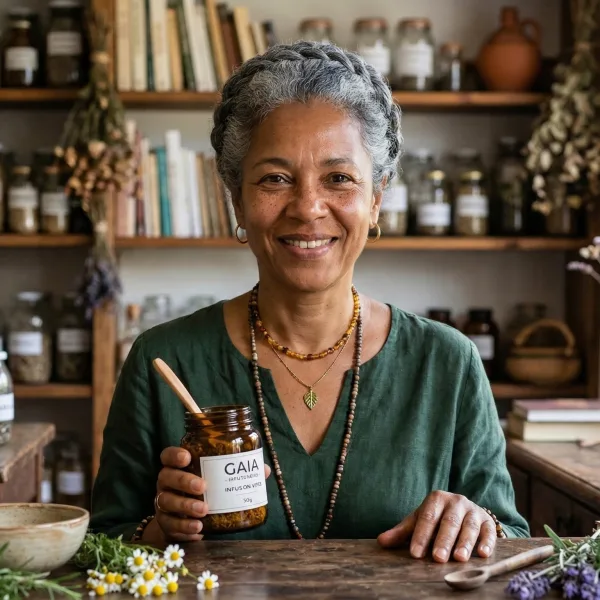 Meet GaiaThe HerbalistSee the full profile →
Try it in the app
All the specialists, 7-day free trial. In your language.